







Search Results for: history of drip bag coffee
Drip Bag Coffee Buying Guide: From History to Specialty Brands, Front Street Coffee's Ten Flavor Test Analysis
In a fast-paced life, if you want a good cup of coffee at any time without any fuss, drip bags are undoubtedly a smart choice. This little invention from Japan now accounts for 15% of Japan's regular coffee market. But even among drip bags, quality varies enormously—specialty beans, highly permeable filter paper, and nitrogen flushing for freshness are all indispensable. Front Street Coffee uses hundreds of specialty estate beans to make pour-over drip bags, from Yirgacheffe to Geisha Village Chaka, each labeled with roast level and flavor notes. This article sorts through the history and key buying points of drip bag coffee, and one by one breaks down the flavor characteristics of eight products including Front Street's classic five-region current-season drip bag series, to help you find the cup that suits your taste. [more…]

The History of Drip Bag Coffee | What's the Difference Between Drip Bag Coffee and Pour-Over Coffee? How to Adjust the Water Amount for Making Iced Coffee with Drip Bags?
For more specialty coffee knowledge, please follow our WeChat official account: FrontStreet Coffee. Drip bag coffee, as the name suggests, is coffee brewed using a drip bag. The drip bag was a product developed by the Japanese; the filter bag is used to hold the coffee, and on each side there is a small piece of cardboard, like two [more…]
A Review of Specialty Drip Bag Coffee Brands: From Japanese Invention History to Pour-Over Alternatives, with Seven Front Street Coffee Origin Flavor Recommendations
Drip bag coffee has become the daily go-to for many coffee lovers thanks to its convenience and flavor profile that comes close to pour-over. This article begins with the origins of drip bag coffee,回顾 how in 1990 Yamanaka Sangyo Co., Ltd. of Japan transplanted the tea bag concept into the coffee realm, and how in 1998 Daiki Shoji improved it and achieved commercialization. It also explains in detail the differences in equipment requirements between drip bag coffee and pour-over coffee, and provides standard brewing steps and iced drink preparation techniques. Finally, the article highlights seven single-origin drip bag products from Front Street Coffee, covering Huakui, Golden Mandheling, Panama Butterfly, Yirgacheffe Red Cherry, Brazil Red Bourbon, Colombia Huila, and Costa Rica Tarrazu, introducing each region's terroir, processing method, and flavor characteristics one by one to help readers make choices according to their taste preferences. [more…]
How to Choose Drip Bag Coffee? The Brewing Advantages of Filter Drip Bags and Three Popular Flavor Recommendations from Front Street Coffee
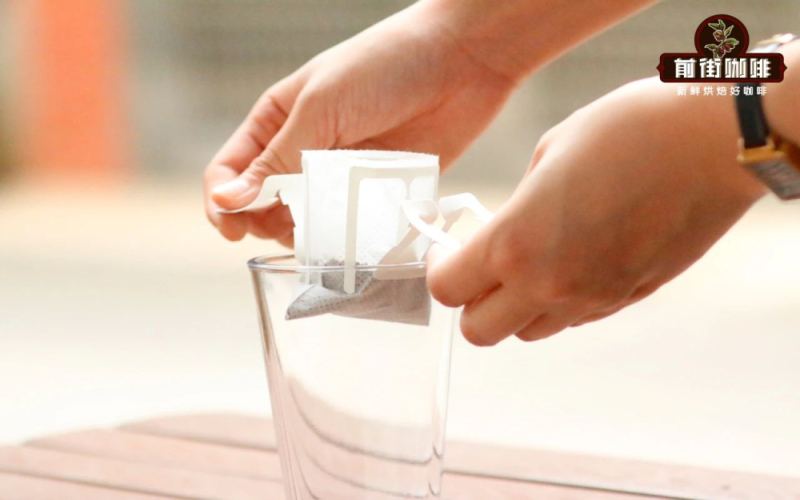
For those who neither want to settle for instant coffee nor have the time to grind beans and brew fresh coffee every day, drip bag coffee (hanging ear coffee) is a compromise that balances convenience and flavor. It seals ground coffee in individual filter bags—tear open the bag, hang it on a cup, pour in water, and in just a few steps you have a freshly brewed cup of black coffee. Drip bag coffee is usually made from roasted whole beans, giving it fuller aroma and complexity than instant coffee, but with so many brands and such uneven quality, it is worth prioritizing professional brands with a long operating history and consistent roasting when choosing. Front Street Coffee has been devoted to roasting for more than ten years, its drip bag product line covers dozens of single-origin pour-over coffees, and it only ships batches roasted within the past 5 days, ensuring both taste and freshness. This article focuses on the brewing advantages of drip bag coffee, highlighting three Front Street drip bag options suited to those who dislike acidic coffee: PWN Golden Mandheling, Brazil Cerrado Red Fruit, and Yunnan Small-Bean. [more…]
How to brew drip bag coffee correctly? A complete guide with step-by-step illustrations, whether it's pure coffee, and whether you can re-brew it
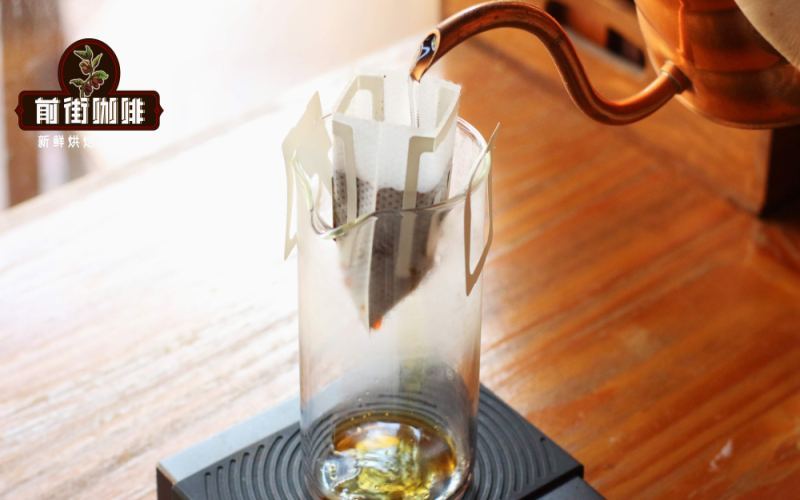
Drip bag coffee, with its advantages of portability and taste, has become a common choice in offices and during travel, but many people new to it still have questions about how to brew it. This article starts with the history of drip bags, explains whether they count as pure coffee and whether they can be brewed a second time, and uses step-by-step illustrations to introduce key points such as blooming, the water-to-coffee ratio, and water temperature control. It also compiles Front Street Coffee's current-season drip bags along with two recommendations—Brazil Cerrado and Panama Butterfly—to help readers consistently brew a cup of black coffee even without professional equipment. [more…]
Origins of Drip Bag Coffee and Analysis of Pros and Cons: Can It Be Reused and a Practical Buying Guide
Drip bag coffee, as a type of portable coffee, is deeply loved by enthusiasts for its simple and convenient characteristics. This article will take you through the invention journey of drip bag coffee, from Japan's single-sided drip bags in 1990 to its global popularity in 2011, with sales reaching as high as 1.4 billion bags, 94% of which came from Japan. We will also explore the pros and cons of drip bag coffee, including its portability, flavor retention, and whether it can be brewed a second time. At the same time, the article will share Front Street Coffee's recommended products, such as drip bag selections for different taste types, to help you better enjoy coffee. Whether you are a coffee novice or a seasoned enthusiast, you can gain practical knowledge from it, avoid common misconceptions, and improve your brewing experience. [more…]
Tracing the Origins of Drip Bag Coffee and Analyzing Its Differences from Instant Coffee, with Recommendations for Specialty Arabica Boxed Starter Selections
Drip bag coffee has become the daily drink of choice for many people thanks to its portability and its flavor that comes close to pour-over. But do you know how it evolved from Japan's single-sided filter bag to the patented two-sided drip bag? What essential differences really exist between drip bag coffee and instant coffee? And faced with the bewildering array of specialty Arabica drip bag boxed products on the market, how should a beginner choose? This article will trace the historical development of drip bag coffee, compare the processing differences with instant coffee, and put together a curated drip bag list suitable for beginners, covering Front Street Coffee's basic flavors such as Yunnan, Brazil, Yirgacheffe, and Mandheling, to help you follow the guide and easily find the one that suits your taste. [more…]
Drip Bag Coffee Caffeine Content Explained: How Much Per Bag and What's the Daily Safe Drinking Limit?
Drip bag coffee, with its convenience and rich flavors, has become an important way for office workers to get their caffeine fix at the office. But exactly how much caffeine does each drip bag contain? How many bags a day can you drink without overdoing it? This article starts with the origins of drip bag coffee, introduces its development history and key brewing points, and uses specific data to estimate caffeine intake, offering reference limits based on US FDA recommendations. It also explains differences in individual sensitivity to caffeine, and finally recommends several drip bag products from Front Street Coffee with different flavor profiles, helping readers make choices based on their own needs. [more…]
The Origins and Evolution of Drip Bag Coffee: From a Japanese Patent to the Convenient Pour-Over Choice in the Chinese Market
Drip bag coffee, with its combination of convenience and quality, has become the top choice for many people to enjoy black coffee in their daily lives. Where exactly did this filter-bag coffee packet originate? How did it evolve from an uncommercialized patent into a beverage that swept across East Asia? This article traces the invention history of drip bag coffee, analyzes the shifts in consumer demand behind its market growth, and explains the key brewing points in detail, helping readers easily master the method for making a good cup of coffee. It also introduces Front Street Coffee's high-value drip bag products and the flavor characteristics of Golden Mandheling. [more…]

Can Drip Bag Coffee Be Brewed with Milk? A Detailed Look at the Flavor Changes and Brewing Points of Adding Milk to Drip Bag Coffee
Drip bag coffee is popular in East Asia for its convenience, but many coffee lovers wonder: can you brew drip bag coffee directly with milk? And how does the taste change after adding milk? This article traces the invention history of drip bag coffee, reviews the drip bag series launched by Front Street Coffee, including Natural Red Cherry, Brazil Red Fruit, and Honduras Sherry, along with the origin stories behind them, and explains the standard brewing process and blooming parameters in detail. Regarding the question of adding milk, the article points out that the key lies in the type of coffee—fruit-toned Yirgacheffe performs poorly after adding milk, while bitter-leaning flavors like Brazil become smoother and more fragrant when combined with milk. It also explains why it is not advisable to extract directly with hot milk, and how to proceed if you want to try milk coffee. [more…]
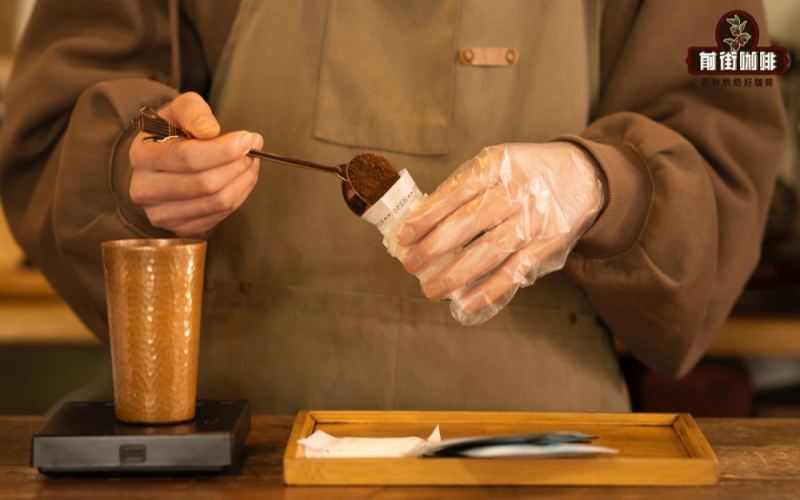
Indonesian Sumatra Golden Mandheling Coffee: A Comprehensive Analysis of PWN Certification, Wet-Hulling Process, and Full-Bodied Flavor
Golden Mandheling is a classic representative of full-bodied coffee, renowned for its low acidity, rich intensity, and herbal spice notes. Starting from a Front Street Coffee cupping session, this article provides a detailed breakdown of this coffee's dry aroma, wet aroma, and palate performance, and introduces two brewing methods: pour-over and drip bag. It also takes a deep dive into the Indonesian Sumatra growing region, explaining Mandheling's cultivation history, the two core origins of Aceh and Lintong, PWN company's rigorous screening standards, and the wet-hulling process that creates its unique flavor. The article also covers Indonesia's green bean grading system and how medium-dark roasting shapes Mandheling's flavor, making it suitable reading for coffee enthusiasts who want a comprehensive understanding of Golden Mandheling. [more…]
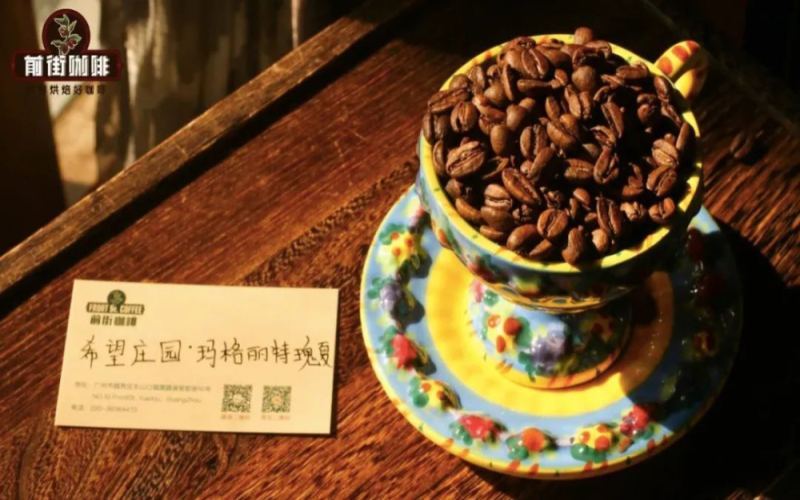
Colombia Cauca Valley Finca La Esperanza Geisha Drip Bag Coffee: A Complete Guide to Brewing Techniques and Flavor Characteristics
Front Street recently got its hands on a naturally processed Geisha coffee bean from Colombia's Hope Estate. When brewed, it presents aromas of blueberry and smoked plum, with flavors of blackcurrant juice, orange, and berries on the palate. It has a full, juicy body and a long, red-wine-like finish. This Geisha comes from Cafe Granja La Esperanza, an estate with a 76-year history that has won more than 60 awards in global competitions and owns five sub-estates. This article will take you through the planting legend of Hope Estate and, using Front Street Hope Estate Geisha drip bag coffee as an example, explain in detail the brewing steps and water temperature recommendations for drip bag coffee, helping you easily enjoy a cup of high-quality black coffee even when you're busy. [more…]
What makes the Yirgacheffe region unique? A detailed guide to coffee bean flavors, processing methods, and drip bag brewing
Yirgacheffe is Ethiopia's most iconic specialty coffee region, renowned worldwide for its delicate white floral aromas and refined mouthfeel. This article begins with the history of the Yirgacheffe region, tracing how it became independent from Sidamo and the episode in which Starbucks once attempted to trademark the name. At the same time, the article will provide an in-depth analysis of how the washed and natural processing methods affect Yirgacheffe's flavor, and introduce the characteristics of two representative coffee beans: Front Street's Gutingding and Red Cherry. Finally, Front Street Coffee's baristas will share the complete parameters and steps for pour-over Yirgacheffe, as well as practical tips on how to brew drip bag coffee with a full-bodied flavor, helping coffee lovers enjoy this region's alluring charm at home. [more…]
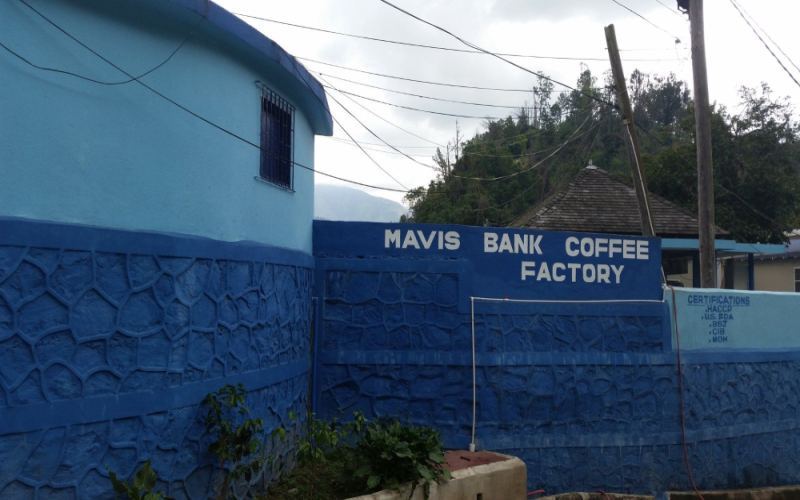
A Complete Guide to Jamaica's Mavis Bank Blue Mountain No. 1 Estate: From Terroir to Cupping and Brewing
Jamaican Blue Mountain coffee has long been hailed as the benchmark of specialty coffee, and Mavis Bank, as the country's largest green bean processing facility, produces Blue Mountain No. 1 that stands as a symbol of quality assurance. This article will take an in-depth look at the history of the Mavis Bank estate, the unique terroir conditions of the Blue Mountain region, and the complete process from green bean processing to grade classification. At the same time, we will also compare the flavor differences between washed and natural processing methods, and include a detailed brewing tutorial for Front Street Blue Mountain drip bags. Whether you are a newcomer just getting into Blue Mountain coffee or a seasoned connoisseur wanting to understand the story behind it, this article can provide you with valuable reference. [more…]
How should Yirgacheffe coffee be enjoyed? A full breakdown of hot pour-over and iced coffee brewing parameters and drip bag brewing
Yirgacheffe is Ethiopia's most iconic specialty coffee region, renowned for its delicate white floral aromas and refined mouthfeel. This article begins with the history of the Yirgacheffe region, then sorts through the flavor differences brought by washed and natural processing methods, and offers a detailed introduction to the hot pour-over parameters, iced coffee recipe, and drip bag brewing techniques used by Front Street Coffee stores when producing Yirgacheffe. Whether you are a coffee novice just getting started or a seasoned enthusiast looking to recreate cafe flavors at home, you will find practical references here. [more…]
Drip Bag Coffee Buying Guide: Brand Flavor Comparison and Detailed Hot and Cold Brewing Techniques
Drip bag coffee has become a daily choice for many coffee lovers thanks to its convenience, but the flavor differences between brands and origins are significant. This article starts with Front Street Coffee's diverse origin series of drip bag coffees, reviews the invention history and core characteristics of drip bag coffee, explains in detail the two practical methods of hot brewing and iced brewing, and analyzes one by one the flavor characteristics and processing method backgrounds of seven Front Street drip bag coffees—Golden Mandheling, Panama Butterfly, Yirgacheffe Red Cherry, Brazil Red Bourbon, Colombia Huila, Costa Rica Tarrazu, and Yunnan Small Bean—helping readers easily enjoy a cup of consistently high-quality drip coffee even in a fast-paced life. [more…]
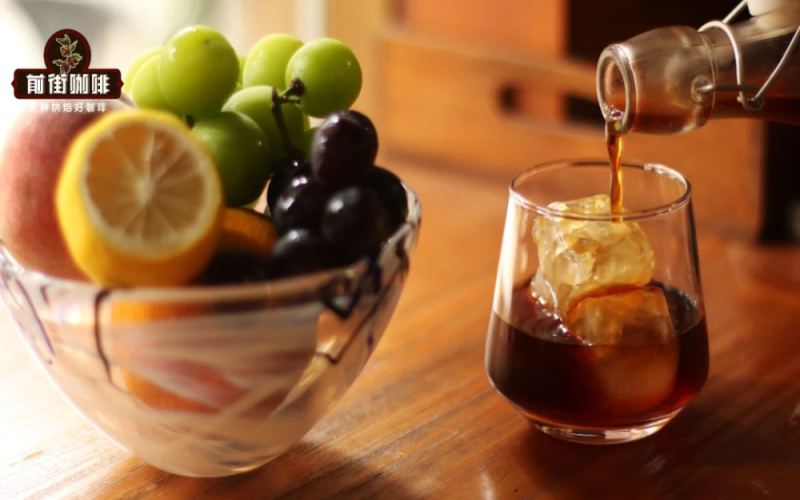
A Bean Selection Guide for Cold Drip and Cold Brew: Can Brazil Cerrado Red Bourbon Handle Iced Coffee?
When making cold brew or iced drip coffee, the choice of beans is often more critical than the technique. This article begins with the essential differences between cold brew and Americano, traces the history of cold brew coffee from Dutch sailors to Starbucks' promotion, and offers Front Street Coffee's recommended cold brew ratios and storage suggestions. It also focuses on the Cerrado region of Brazil, analyzing the flavor performance of semi-washed Red Bourbon and answering the core question of whether it is suitable for making iced coffee. [more…]
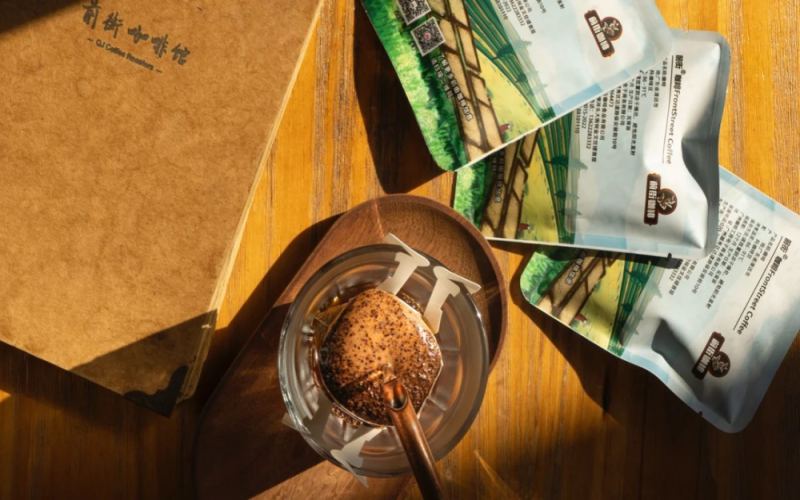
Drip Bag Coffee vs. Black Coffee: Arabica Drip Bag Brewing Principles, Flavor Characteristics, and Historical Origins
Drip bag coffee has become increasingly popular in the market in recent years, allowing more people to appreciate the rich flavors of single-origin coffee. From instant coffee to drip bag coffee, all you need to do is hang it on the rim of your cup and pour in hot water, and you can enjoy a cup of aromatic coffee during a busy work break—both convenient and full of ritual. Front Street Coffee not only offers 10 kinds of drip bag coffee packs online, but also allows customers to select their own coffee beans for custom processing into drip bags. This article will walk you through the origin story of drip bag coffee, its differences from black coffee, the extraction principle, key brewing points, and Front Street brand's drip bag product recommendations, helping you easily brew a delicious cup of single-origin coffee. [more…]
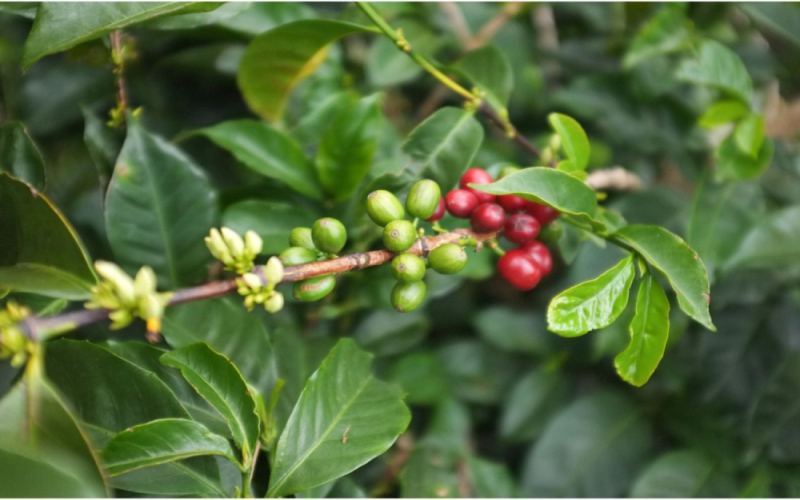
The Origins of Yunnan Coffee and the Typica Variety: A Full Analysis of the Brewing Flavor of Arabica Coffee
Typica is one of the oldest Arabica varieties, standing alongside Bourbon, prized for its pure lineage and elegant flavor. The history of Yunnan coffee dates back to 1892, when a French missionary planted the first Typica seed in Zhukula Village, beginning the coffee legend of this land. Today, the Typica produced in Baoshan is particularly outstanding. Yunnan small-bean coffee gets its name from its small bean shape; grown in the dry-hot river valleys at around 1,100 meters, it develops a balanced acidity, rich aroma, and full-bodied taste. To experience the classic flavor, Front Street Coffee 2013 Yunnan Typica is a choice not to be missed—natural processing and medium roasting bring the sweet-and-tart notes of dried apricots, nuts, and brown sugar, with a long tea-like finish, suitable for pour-over, cold brew, the Clever Cup, and drip bags. [more…]
Drip Bag Coffee Buying Guide: How to Tell Good Brands from Bad, Plus Eight Front Street Specialty Flavor Recommendations
In the fast-paced modern life, if you want to enjoy a high-quality cup of black coffee anytime, drip bag coffee is undoubtedly an ideal solution. This invention, which originated from UCC Ueshima Coffee in Japan, now occupies 15% of the Japanese coffee market. However, although they are all called drip bag coffee, the quality varies greatly—specialty bean raw materials, breathable and non-toxic filter paper, and nitrogen-flushing preservation technology are all indispensable. This article will guide you through the historical origins and core characteristics of drip bag coffee, and focus on how the Front Street brand uses specialty estate beans and diverse roasting to create eight drip bag products with distinct terroir characteristics, from the brightly fruity Yirgacheffe to the rich and full-bodied Mandheling, meeting the needs of people with different taste preferences. [more…]